Jump to a section

Most corporate retreats still leave people more exhausted than when they arrived. Long days, dense slide decks, late nights, then everyone back at their desks slightly behind on email and no closer to easing burnout. The real opportunity is to design retreats that still deliver on strategy and performance, but that also give people space to reset, reconnect and come back with more energy than before.
We have spent years helping organisations plan company retreats for groups of 12 to 120 people, often outside the city, where the setting does some of the hard work. A question we hear more and more is how to make retreats genuinely restorative without losing momentum or focus. Drawing on that experience, and on wider research into stress and wellbeing at work, this guide shows how to build wellbeing into a normal company retreat through venue choice, agenda design and activities. It is designed for HR, People & Culture, Operations and leadership teams planning strategy days, away days or company retreats.
If you are planning an offsite and want a shortlist that genuinely supports focus and switch off, you can share your brief with us and we will recommend venues that fit your goals, guest profile and budget.
Why Wellbeing Has To Be Part Of Your Retreat Brief
The pressure your people are already under
Burnout and stress are now a hard business risk, not a soft HR topic. Mental Health UK’s Burnout Report series shows that nine in ten UK adults have experienced high or extreme levels of pressure or stress in the past year, and around one in five have needed time off work because of stress related mental health problems. In other words, many people arrive at your retreat already running low on capacity.
What that means for your retreat
Great Place to Work’s Workplace Wellbeing Report 2024 suggests that only around 55 percent of employees in a typical UK workplace report a high state of wellbeing at work. That underlines how far most organisations still have to go. When you bring people together for an offsite you are not starting from neutral. You are starting from tired, distracted and sometimes anxious.
Traditional retreats often squeeze back-to-back presentations, long days and late nights into a short window, especially when teams are trying to cover too much in one go. That might deliver a lot of content, but it can also leave people more drained than before. In our experience, the difference usually comes down to pacing. When the agenda respects energy and attention, discussions are sharper, feedback is more open, and teams tend to leave with clearer decisions and fewer follow-up meetings once they are back at work.
Start With Outcomes: What Do You Want People To Feel?
Define wellbeing in your context
Before you think about yoga mats or spa slots, decide what "wellbeing" actually means for this retreat. Clear outcomes make it much easier to design something that feels genuine, not tokenistic.
Good questions to ask while you write the brief:
- How do we want people to feel when they leave: calmer, clearer, more connected, less overwhelmed.
- What do we want them to be saying about this retreat a month later.
- Which wellbeing challenges are we seeing right now, for example burnout in one team, hybrid disconnect or meeting overload.
Set wellbeing outcomes alongside business goals
From those answers, set two or three wellbeing outcomes alongside your commercial objectives. For example:
- Create space for honest conversations away from email and messaging apps.
- Give people practical tools for managing stress and energy.
- Help a largely remote team reconnect in person, away from screens.
If you want people to leave with more energy than they arrived with, you have to protect time for it. Breaks, a short walk between sessions and a quieter slot in the afternoon are often the difference between good intentions and a retreat that actually lands.
If you are still shaping the brief, our Complete Corporate Event Planning Guide lays out the core decisions, timelines and pitfalls to avoid before you lock in venues and dates.
Choose A Venue That Does Half The Wellbeing Work For You
Venue choice does a lot of the heavy lifting. When your retreat is held at an estate or country house hotel, surrounded by nature with space to move and room to breathe, a lot of the wellbeing work happens on its own. This is exactly where we specialise. We work with castles, estates and country house retreats across the UK that can be hired exclusively or semi exclusively for corporate events.
What to look for...
Nature and grounds
Estates with parkland, woodland, lakes and gardens can help people decompress surprisingly quickly. A short walk between sessions can reset the mood and energy in the room. Paths, lawns and woods also make it easy to build in gentle movement through walking meetings, morning strolls or light outdoor games.
Spa and thermal experiences
Spa hotel style properties give you pools, hydrotherapy, saunas, steam rooms and quiet relaxation spaces. You can use these as anchors for the day, such as early morning swims, late afternoon thermal circuits or calm time after dinner.
Quiet, low distraction environments
Being away from city centres and surrounded by countryside reduces noise and the sense of constant rush. It becomes much easier for people to put their phones down and think clearly, which is especially helpful when you want honest conversations and good decisions.
Travel time is often the first concern, especially for London-based teams. In reality, many rural venues are closer than people expect, and there are several strong options within around an hour of central London. That makes it easier to choose a setting with space and countryside without compromising on convenience.
Flexible indoor and outdoor spaces
Terraces, lawns, forest glades and cosy lounges give you options. You can run walking meetings, hold outdoor breakouts, set up reflective sessions and host informal evening gatherings, instead of relying on a single windowless room.
Some venues make it easy to slow the pace down. Others make it hard, no matter how good the agenda looks. Daylight, space to move and access to the outdoors tend to do more than any single session you add.
If you are still exploring, browse our corporate venues to get a feel for the settings, facilities and group sizes we can support.
Simple Ways To Weave Wellbeing Into The Agenda
You do not have to redesign your retreat from scratch. Often it is a few small changes that shift the whole feel of the day.
We see this most clearly in the first 90 minutes after arrival. If people go straight from travel into heavy discussion, the morning often drags.
Arrival and morning
Swap a rushed coffee and name badge start for a gentle arrival. A guided walk, a short stretch or yoga session, or a brief guided meditation all help people arrive properly.
Use the welcome to agree some simple ground rules. For example, laptops stay closed in plenary sessions, phones are on silent, and there will be regular breaks and time outdoors.
Food and refreshments
Food is one of the simplest levers for keeping energy steady across the day. A good, balanced breakfast can make a noticeable difference to focus and productivity in the first work block, especially after early travel.
It also helps to avoid breakfasts that are overly heavy or indulgent, which can leave people feeling sluggish by mid-morning. Lighter, well-timed refreshments and a sensible lunch tend to support better discussion and decision-making through the afternoon.
During work blocks
Alternate seated sessions with walk and talk pair work around the estate. Walking side by side often makes conversations more open and creative.
When the weather cooperates, move small group discussions onto a terrace or into the garden to bring in daylight and fresh air.
Keep work blocks to about 60 to 90 minutes to avoid overload, especially for people who have travelled that morning.
Afternoons
Offer a couple of wellbeing-friendly options in parallel. For example yoga or Pilates, a guided nature walk, a simple craft or reflection workshop, or a practical session on stress and energy.
Let people choose the option that suits them best. Some will want to be active. Others will appreciate a calmer choice.
Evenings
Replace the pressure of a very late night at the bar with a relaxed dinner and optional extras. That might be spa time, a gentle walk, guided meditation or low key games.
This kind of agenda still gives you plenty of room for business content. It simply respects the fact that people think, collaborate and decide better when they are not exhausted.
Example day one agenda (wellbeing-aware, still work-focused)
- 10:30 - Arrival, coffee, gentle welcome
- 11:00 - Paired walk and arrival chat (no laptops)
- 11:30 - Welcome and aims for the retreat
- 12:00 - Strategy session or workshop block (60-90 mins)
- 13:30 - Lunch and time outside
- 14:45 - Workshop block with a proper break
- 16:15 - Choice session: outdoor team activity or beginner-friendly yoga (45-60 mins)
- 17:15 - Downtime: rooms / spa / free time
- 19:00 - Dinner (device-light) and a relaxed evening
Need help mapping the day? Share your brief and we will recommend a format that fits your objectives and group.
Wellbeing Activities That Work For Real Teams
Wellbeing activities can add real value, but only when they are planned as part of the day rather than dropped in as a standalone slot. We help you shape a coherent programme that fits your objectives, your venue and your group.
If you are weighing up whether team building is worth the time in the agenda, our article on the real ROI of team building looks at how the right sessions can improve communication, decision-making and follow-through long after the retreat.
At the same time, wider wellness research shows that demand for these kinds of experiences is only growing. McKinsey’s Future of Wellness survey reports strong net purchase intent for in person wellness services, including wellness retreats and boutique wellness experiences, particularly among younger employees. That trend is now very visible in how teams want to spend their time together offsite.
If you want examples you can drop into your programme, take a look at our team building activities and entertainment ideas, from low-key connection sessions to more energetic outdoor options.
Four activity types that land well
Mind and body reset
- Yoga, Pilates and Tai Chi sessions that ease tight backs, hips and shoulders from travel and desk work. These can be framed for complete beginners.
- Laughter Yoga sessions that break down social barriers and bring lightness into the day.
Calming and restorative
- Guided meditation or forest bathing sessions in the morning or before dinner, helping people slow down and reset away from screens.
- Aromatherapy workshops and pamper sessions that offer simple tools for relaxation and sleep, which people can use again at home.
Practical everyday wellbeing
- Nutrition classes focused on maintaining energy and concentration during busy days, rather than restrictive diets.
- Short practical sessions that cover breathwork, micro breaks, posture and movement habits people can build into their working day.
Playful, energising connection
- School Sports Day style sessions on lawns or meadows which get people moving and laughing without heavy competition.
- Outdoor challenges or bushcraft style sessions in woodland, mixing practical tasks with problem solving and collaboration.
In practice, combining two or three tends to work best, with choice built in so people can opt for something active or something calmer.

Not sure where to start?
Our Corporate Retreat Budget Calculator will help keep the agenda realistic for your budget.
Get StartedManaging Technology So People Actually Switch Off
Constant screen time is a major driver of stress and fatigue, yet many retreats still look and feel like a normal office day in a different location. Being deliberate about technology is an important part of any wellbeing aware design.
Reset expectations and build in "safe" check ins
Set clear norms from the start. Laptops stay closed in most sessions, and phones are placed on a side table during agreed blocks so people are fully present. Make it clear there will be set times to deal with anything urgent.
Use the outdoor space available to create natural offline moments. Walking meetings where phones stay away, outdoor workshops without screens and forest style walks between heavier sessions all help.
Make some moments tech free on purpose, for example device free meals or one fully screen free session each day. Balance this by agreeing one or two short email check in windows so people can handle anything truly urgent without feeling on edge.
You are not asking people to disappear from the grid. You are showing that important conversations and clear thinking often happen more easily when devices step back for a while.
Our Top 5 UK Venues For Wellbeing Aware Company Retreats
These are venues we regularly recommend when wellbeing is a priority in the brief. Each can be hired exclusively or on a part-exclusive basis for corporate groups, and offers a different mix of setting, facilities and event space.
Pennyhill Park, Surrey

| Setting and atmosphere | Luxury country house retreat in Surrey, set in woodland and landscaped gardens with nature trails and outdoor spaces for walks and open air activities. |
|---|---|
| Wellbeing assets | One of the best known destination spas in the UK, with multiple pools, extensive hydrotherapy, saunas, steam rooms and quiet relaxation areas. |
| Corporate suitability | Eighteen meeting spaces and 124 bedrooms allow you to mix substantial conference content with a strong wellbeing element in a single location. |
| Exclusivity and scale | Well suited to both senior leadership retreats and larger team offsites, with options for exclusive use for maximum privacy. |
Weston Park, Staffordshire

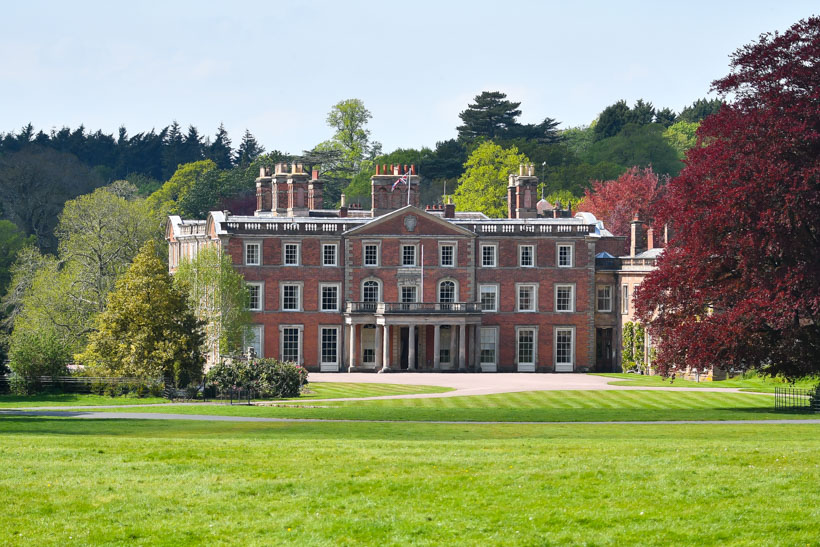
| Setting and atmosphere | Historic stately home set in around 1,000 acres of Capability Brown designed parkland, woodland and gardens. It feels like a true escape from day to day life. |
|---|---|
| Wellbeing assets | Extensive grounds make it easy to build movement and fresh air into the agenda through walks, gentle runs and outdoor games between sessions. |
| Corporate suitability | Grand state rooms work well for plenary sessions, while smaller drawing rooms and libraries provide quieter spaces for reflection, coaching or one to one conversations. |
| Exclusivity and scale | The house and grounds can be hired exclusively for corporate events, giving your group privacy and a genuine sense of retreat. |
The Retreat at Elcot Park, Berkshire
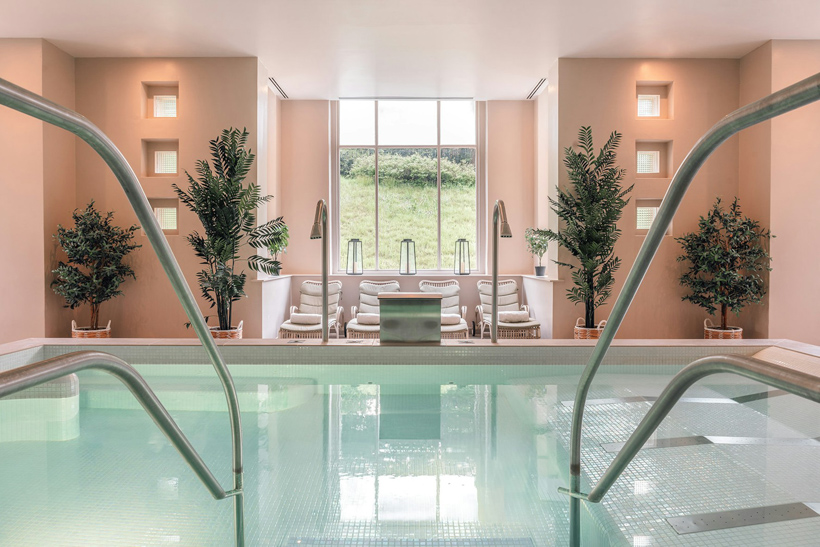
| Setting and atmosphere | Boutique country house hotel in West Berkshire with a relaxed, contemporary retreat feel and views over the Kennet Valley. |
|---|---|
| Wellbeing assets | On site spa with hydrotherapy, thermal experiences and treatment rooms, so you can build gentle wellness sessions into the programme without leaving the property. Gardens, terraces and surrounding countryside support walking meetings and outdoor sessions. |
| Corporate suitability | Flexible event spaces and dining options suit strategy workshops, reward weekends and annual kick offs where you want a balance of focus and switch off. |
| Exclusivity and scale | Available for full or part exclusivity for corporate groups, depending on numbers and dates, which keeps the atmosphere intimate. |
Tortworth Court, Gloucestershire

| Setting and atmosphere | Gothic style country house hotel near Bristol, set within landscaped grounds and an impressive arboretum. |
|---|---|
| Wellbeing assets | Spa with pool, sauna, steam room and relaxation areas, which can anchor the more restorative parts of your agenda. Grounds and arboretum provide easy routes for walks and outdoor activities. |
| Corporate suitability | Characterful meeting rooms, terraces and gardens support both formal sessions and outdoor work, and its location near the M4 and M5 makes it practical for national or regional teams. |
| Exclusivity and scale | Can host sizeable groups, with options to secure dedicated areas for your event even when not fully exclusive. |
Leeds Castle, Kent

| Setting and atmosphere | Iconic "castle on an island", set in more than 500 acres of parkland and gardens. The setting has a strong sense of occasion and escape. |
|---|---|
| Wellbeing assets | Extensive grounds for walks and outdoor team building, and a track record of hosting wellbeing days for groups that combine activities, talks and time in nature. |
| Corporate suitability | Corporate packages bring together meeting facilities, overnight accommodation and estate based experiences, making it straightforward to balance serious work with restorative time. |
| Exclusivity and scale | A variety of event spaces and accommodation types allow you to tailor the level of privacy and scale to your group. |
Measuring The Impact Of Wellbeing At Your Retreat
A single retreat will not fix burnout, but it can be a clear signal of intent and a useful part of a wider wellbeing strategy. Measuring the impact helps you learn what works and supports the case for future investment.
Before and after: quick pulse checks
Before the retreat, send a short pulse survey that asks about current stress levels, sense of connection to colleagues and energy.
Immediately afterwards, repeat those questions and add one such as "Do you feel this retreat showed that the organisation cares about your wellbeing". Ask which elements made the biggest difference to them personally.
Follow up: what actually sticks
A few weeks later, check whether any tools, habits or changes from the retreat have stuck. For example walking meetings, micro breaks, different meeting norms or greater use of wellbeing resources.
Over time, connect retreat design to wider measures such as engagement scores, retention in high stress teams and the cost of poor mental health at work, drawing on research that highlights the significant productivity and absence costs of poor mental health.
Even simple feedback will show you whether your retreats are leaving people more depleted or more equipped to do their best work.
Frequently Asked Questions
Below are answers to questions we are asked regularly when planning company retreats.
Do we have to call it a "wellness retreat" for this to work?
No. Most organisations still refer to these as strategy days, away days or company retreats. The impact comes from how the retreat is designed, not what it is called. By weaving wellbeing into the venue, agenda and pacing, you get the benefits without reframing the entire event.
Will adding wellbeing elements reduce the time we have for business content?
Not if the agenda is designed thoughtfully. Shorter, well-structured sessions with proper breaks, movement and time to reset often lead to better discussion and clearer decisions than tightly packed schedules. In practice, teams typically leave with clearer priorities and fewer follow-up meetings once they are back at work.
What activities work best for mixed teams?
Simple, inclusive activities usually work best for mixed groups. Guided walks, beginner-friendly yoga or stretching, light outdoor games, and practical sessions on energy or stress feel accessible to most people and support focus and connection without pushing anyone outside their comfort zone.
What if some people in the team are sceptical about wellbeing?
This is common, and it is largely about framing. We position these elements as ways to sustain energy, focus and decision-making across the day, rather than wellbeing for its own sake. Offering a choice between an active option and a calmer one also helps people engage without feeling forced.
Is exclusive use always necessary?
No. Exclusive use can be valuable for privacy and focus, but it is not essential. Many of the venues we work with offer part-exclusive arrangements that still provide dedicated spaces, quiet areas and access to grounds, which is often enough to support a calm, restorative retreat.
How far do we need to travel to get the "retreat" effect?
Often less far than people expect. Many rural venues are within around an hour of central London and other major cities, and most of the venues we use fall into this category. The sense of space and separation comes more from the setting and design than the distance travelled.
What should we prioritise when choosing a venue for wellbeing?
Space, flexibility and calm matter most. Venues with natural light, grounds people can use, quiet breakout areas and room to move between sessions tend to support better energy and focus. Spa facilities can add value, but the setting and layout usually have a bigger impact.
Can a wellbeing-aware retreat work on a normal budget?
Yes. The biggest gains usually come from venue choice, agenda pacing and how time is used, not from expensive add-ons. Protecting breaks, using outdoor space and keeping sessions focused often leads to stronger engagement and better follow-through without increasing costs.
How The Country Castle Company Can Help
We have spent years helping organisations design retreats that are both commercially effective and genuinely restorative, using a hand picked collection of castles, estates and luxury country house hotels across the UK. That experience means we know which venues truly support wellbeing and which only appear to do so on paper.
When you share your brief with us, we will:
- Clarify your business and wellbeing objectives, including the outcomes you want people to leave with and any current pressure points in the team.
- Recommend venues that naturally support wellbeing through space, nature, spa and thermal facilities, quiet surroundings, and flexible indoor and outdoor areas for work and downtime.
- Create a joined up retreat plan that balances business priorities with wellbeing, covering the agenda, activities, pacing, and overall experience.
Our venue-finding service is free for clients. We are paid by the venues we work with. If you would like your next offsite to leave people genuinely refreshed rather than just exhausted and behind on emails, share your brief with us and we will design a wellbeing aware retreat around your team.
"Honestly, it was absolutely fantastic. From the venue to the service, everything was out of this world. 10 out of 10."